
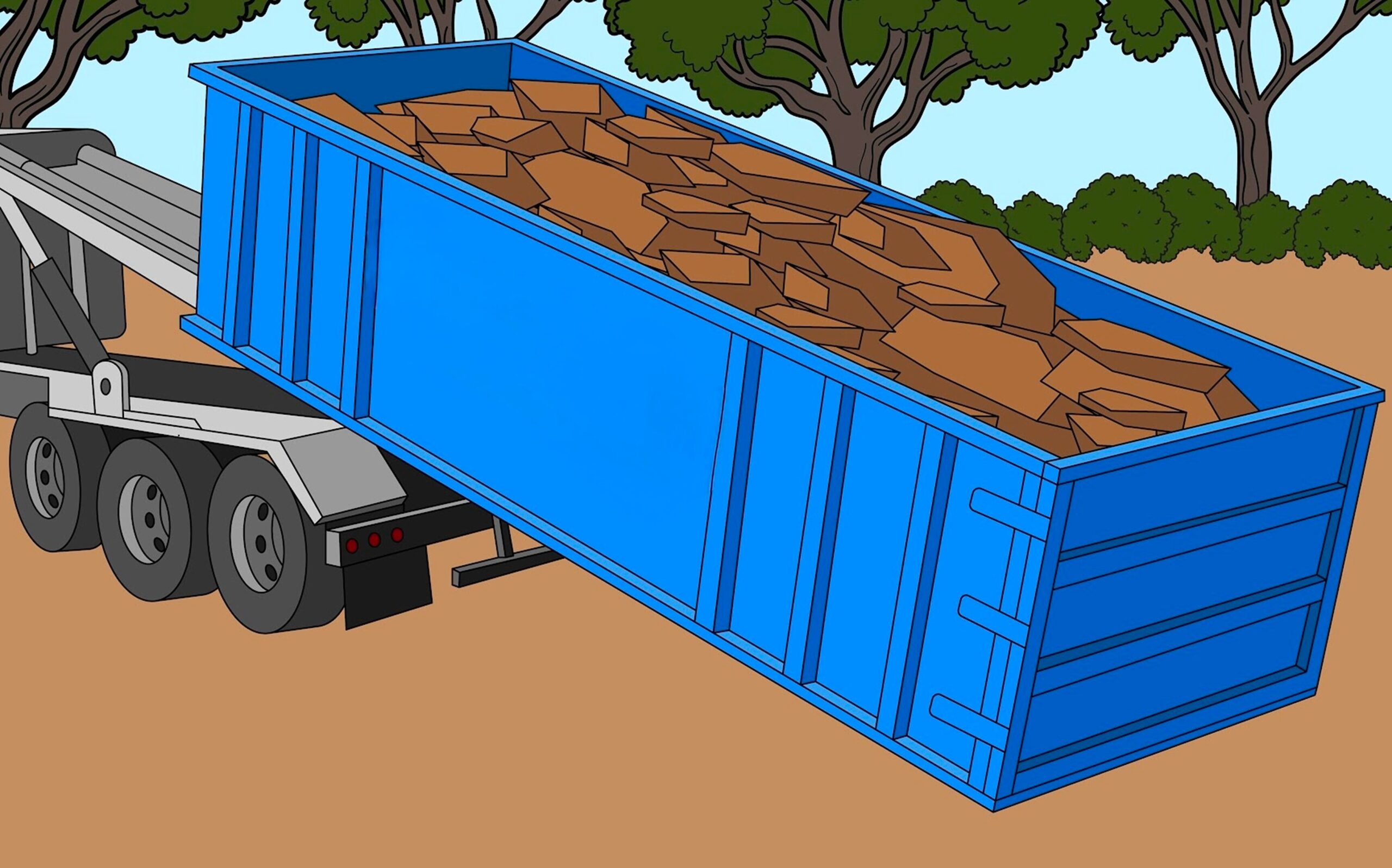
Waste management services are becoming more essential than ever as cities expand, construction activity increases, and environmental regulations grow stricter. In 2026, businesses and homeowners alike are seeking more efficient, compliant, and sustainable ways to handle waste. Modern waste management services are no longer just about hauling trash they are about strategic disposal, recycling optimization, and environmental responsibility.
For companies like Roll Offs Today, the focus is on delivering reliable, scalable solutions that meet both commercial and residential needs. Whether it’s construction debris, renovation cleanup, or large-scale waste removal, the industry is evolving quickly to meet higher expectations for speed, transparency, and sustainability.
This guide explores how waste management services are changing, what to look for in a provider, and how businesses can benefit from smarter waste handling systems.
The Growing Importance of Waste Management Services in 2026
The demand for waste management services has increased significantly due to urban growth, stricter environmental laws, and rising public awareness about sustainability. Landfills are reaching capacity in many regions, and improper disposal is now heavily regulated.
Modern waste management services help solve these challenges by offering:
- Structured waste collection and disposal systems
- Improved recycling and material recovery processes
- Compliance with environmental regulations
- Reduced operational burden for businesses and contractors
For construction companies, property managers, and homeowners, partnering with a reliable provider ensures waste is handled responsibly while saving time and reducing legal risks.
In 2026, efficiency and sustainability are no longer optional they are expected standards.
How Waste Management Services Work Today
Today’s waste management services are more advanced and streamlined than traditional trash hauling. Providers now use technology, logistics planning, and environmental tracking to improve performance.
A typical service process includes:
1. Waste Assessment
The provider evaluates the type and volume of waste to determine the right container size and disposal method.
2. Container Delivery
Roll-off dumpsters or bins are delivered to the site for convenient on-site collection.
3. Waste Collection
Clients fill the container during their project timeline, whether it’s demolition, remodeling, or cleanup.
4. Transportation and Sorting
Waste is transported to approved facilities where it is sorted into recyclable, reusable, and landfill materials.
5. Responsible Disposal
Materials are disposed of according to environmental guidelines, with an emphasis on recycling whenever possible.
This structured system helps reduce environmental impact while improving efficiency for clients across industries.
Types of Waste Management Services Available
Different projects require different solutions. Modern providers offer a wide range of waste management services tailored to specific needs.
Residential Waste Solutions
Homeowners often need waste services for:
- Spring cleaning
- Home renovations
- Yard cleanup
- Moving or downsizing
Commercial Waste Services
Businesses rely on consistent waste handling for:
- Office cleanouts
- Retail operations
- Property management
- Hospitality waste disposal
Construction and Demolition Waste
This is one of the largest segments, involving:
- Concrete and asphalt removal
- Roofing materials
- Wood, metal, and drywall debris
- Large-scale demolition cleanup
Industrial Waste Management
Manufacturing and industrial facilities require specialized handling for heavier and sometimes regulated materials.
Each category requires different handling methods, container sizes, and compliance protocols.
Key Benefits of Professional Waste Management Services
Partnering with a professional provider offers more than just convenience. It creates measurable operational and environmental advantages.
Improved Efficiency
Professional scheduling and delivery systems help projects stay on track without delays caused by waste buildup.
Regulatory Compliance
Proper handling ensures compliance with local and federal environmental laws, reducing liability risks.
Cost Control
Efficient disposal methods and proper container sizing help avoid unnecessary fees and penalties.
Environmental Responsibility
Recycling and responsible disposal reduce landfill contributions and support sustainability goals.
Safety Improvement
Proper waste containment reduces on-site hazards such as sharp debris, heavy material buildup, or obstructed work areas.
These benefits make waste management services a critical part of modern project planning.
What to Look for in a Waste Management Provider
Choosing the right provider can significantly impact your project timeline and cost efficiency. When evaluating waste management services, consider the following factors:
Reliability and Scheduling
On-time delivery and pickup are essential, especially for construction and commercial projects.
Transparent Pricing
Clear pricing structures help avoid unexpected charges and ensure better budget control.
Equipment Options
A good provider offers multiple container sizes to match different project scales.
Environmental Practices
Look for companies that prioritize recycling and sustainable disposal methods.
Customer Support
Responsive communication ensures smoother coordination during projects.
Companies like Roll Offs Today focus on simplifying this process by offering straightforward service options and dependable scheduling.
The Role of Sustainability in Modern Waste Management Services
Sustainability has become a major driver in the evolution of waste management services. Governments, businesses, and consumers are all pushing for greener practices.
Key sustainability trends include:
- Increased recycling rates for construction materials
- Waste-to-energy conversion technologies
- Reduced landfill dependency
- Smarter sorting systems using AI and automation
- Eco-friendly disposal certifications
These innovations are reshaping how waste is processed and reducing the environmental footprint of construction and commercial activity.
Businesses that adopt sustainable waste practices not only reduce environmental impact but also strengthen their brand reputation.
Technology Transforming Waste Management Services
Technology is playing a crucial role in improving efficiency and transparency in waste management.
Some of the most impactful innovations include:
GPS Tracking Systems
Allow customers and providers to monitor container delivery and pickup in real time.
Digital Scheduling Platforms
Simplify booking, rescheduling, and communication.
Smart Waste Sorting
Automated systems help separate recyclable materials more efficiently.
Data Analytics
Helps companies optimize routes, reduce fuel consumption, and improve service delivery.
These advancements are making waste management services more predictable, cost-effective, and environmentally responsible.
Common Mistakes to Avoid When Hiring Waste Services
Many customers make avoidable mistakes when choosing a provider. Avoiding these can save time and money.
- Choosing the wrong container size
- Ignoring disposal restrictions
- Overlooking rental duration terms
- Not confirming recycling policies
- Failing to plan waste pickup schedules
A reputable provider will guide customers through these details to ensure smooth project execution.
Why Roll Off Dumpster Solutions Are in High Demand
Roll-off dumpsters have become one of the most popular solutions in modern waste management services due to their flexibility and convenience.
They are widely used because they:
- Handle large volumes of waste efficiently
- Are easy to deliver and pick up
- Support various project types
- Reduce site clutter and improve safety
For construction and renovation projects especially, roll-off solutions provide unmatched convenience and scalability.
Future Outlook of Waste Management Services
The future of waste management services is focused on automation, sustainability, and smarter logistics. Over the next few years, we can expect:
- Greater integration of AI-driven waste sorting
- Expansion of zero-waste initiatives
- More eco-regulations across industries
- Increased demand for on-demand waste solutions
Companies that adapt early will be better positioned to meet both regulatory demands and customer expectations.
Final Thoughts
Waste management services are no longer just a background utility they are a core part of modern construction, business operations, and environmental responsibility. As industries grow and sustainability becomes more critical, the demand for reliable, efficient, and eco-conscious solutions continues to rise.
Whether you’re managing a renovation, construction site, or commercial cleanup, choosing the right provider makes all the difference.
For dependable and straightforward service options, Roll Offs Today offers practical solutions designed to meet real-world project demands.
Learn more at: https://rolloffstoday.com/