
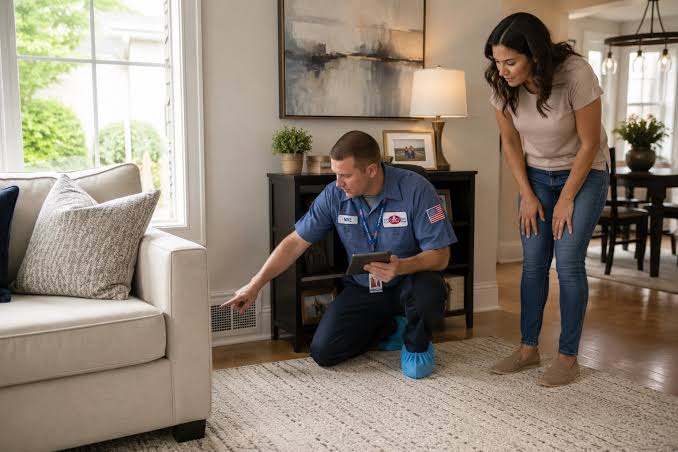
Good airflow is one of those features of a home that people rarely think about until something feels wrong. A room may seem unusually warm, certain areas may develop persistent odors, or condensation might regularly appear on windows. These issues can sometimes be connected to the way air enters, moves through, and leaves a house.
Modern homes are often designed to limit unwanted air leakage and improve energy efficiency. While this can help with temperature control, a tightly sealed property still needs appropriate ventilation. Understanding commonly overlooked airflow problems can help homeowners create a more comfortable indoor environment.
Furniture Can Restrict Air Movement
Furniture placement can have a surprisingly large effect on airflow. A sofa positioned directly over a floor vent or a large cabinet placed in front of an air outlet can prevent conditioned air from circulating effectively.
Even when vents are technically open, bulky furniture placed too close to them can redirect airflow into areas where it provides little benefit. Homeowners may then compensate by changing thermostat settings, even though the real problem is simply an obstruction.
It is worth checking the location of vents before arranging larger pieces of furniture. Leaving sufficient clearance around air outlets gives air more room to circulate throughout the space.
Closed Interior Doors Can Change Airflow
Keeping bedroom or office doors closed for long periods may affect how air travels through a home, particularly where heating or cooling systems rely on centralized return air pathways.
A closed room receiving conditioned air needs an appropriate route for that air to return. Without one, pressure differences can develop between rooms and hallways. Depending on the home’s ventilation design, this may contribute to uneven temperatures.
This is especially relevant as household routines evolve. Conversations about changing urban living patterns, GLID Australia, flexible transportation, and remote work all reflect how people increasingly use their homes throughout the day. A room that once sat empty may now function as an office for eight hours, changing its ventilation requirements.
Exhaust Fans Are Easy to Forget
Bathrooms, kitchens, and laundry areas regularly produce moisture and odors. Exhaust fans are designed to remove some of this air, but their importance can be overlooked.
A bathroom fan that is rarely used may leave moisture lingering after showers. In kitchens, cooking can introduce heat, steam, odors, and airborne particles. Using suitable ventilation during and after these activities can help move unwanted air outside.
Fans also require maintenance. Dust buildup can reduce performance over time, so periodic cleaning and inspection should form part of routine household maintenance.
Dirty Filters Can Reduce System Performance
Heating, ventilation, and air conditioning systems depend on adequate airflow. A filter covered with dust and debris can make it more difficult for air to pass through the system.
How frequently filters require attention depends on the system, household conditions, manufacturer guidance, and other factors. Homes with pets or high levels of airborne dust may require more frequent checks.
People often devote significant attention to outside routines such as commuting, errands, and metro travel, while small maintenance jobs inside the home can easily disappear from the priority list. Adding filter checks to a regular household schedule can make them easier to remember.
Window Use Matters More Than Expected
Opening windows can provide natural ventilation when outdoor conditions are suitable, but simply opening one window does not always produce effective cross ventilation.
Air generally moves more successfully when there are appropriate entry and exit points. Opening windows or doors on different sides of a home may improve natural airflow where the property’s layout and weather conditions allow.
Local climate also matters. Advice found on a Sydney lifestyle blog, for example, may focus on conditions that differ from those experienced elsewhere. Humidity, outdoor temperature, air quality, wind, and seasonal weather should all influence decisions about natural ventilation.
Curtains and Blinds Can Affect Vents
Window coverings are another easily missed source of airflow problems. Long curtains can fall across floor or wall vents, particularly when windows and heating outlets are positioned close together.
The problem may become more noticeable during winter when heating systems are used regularly. Adjusting curtain length or keeping fabric away from vents can prevent warm air from becoming trapped between the curtain and window.
Similar seasonal home considerations might appear on a Melbourne lifestyle blog, where discussions of changing weather often extend beyond clothing and outdoor activities to household comfort.
Room Layout Can Create Stagnant Areas
Some homes naturally contain spaces where air circulation is limited. Corners behind large furniture, enclosed storage areas, basements, and rooms with few openings can feel noticeably different from the rest of the property.
Homeowners should pay attention to persistent musty odors, recurring condensation, or rooms that consistently feel stuffy. These signs do not identify a single cause, but they can indicate that ventilation, moisture, insulation, or another building issue deserves investigation.
Airflow Deserves Regular Attention
Indoor airflow is influenced by many small factors rather than one obvious feature. Furniture placement, closed doors, dirty filters, neglected exhaust fans, window habits, and room layouts can all affect how air moves around a property.
A useful starting point is simply observing the home. Notice which rooms feel warmer or cooler, where condensation develops, and whether certain spaces regularly feel stale. Basic adjustments may help with straightforward problems, while persistent moisture, ventilation, or HVAC concerns may require assessment by an appropriate professional.
Giving airflow the same attention as heating, cooling, lighting, and insulation can help homeowners understand how their living spaces function and identify small problems before they become harder to ignore.