
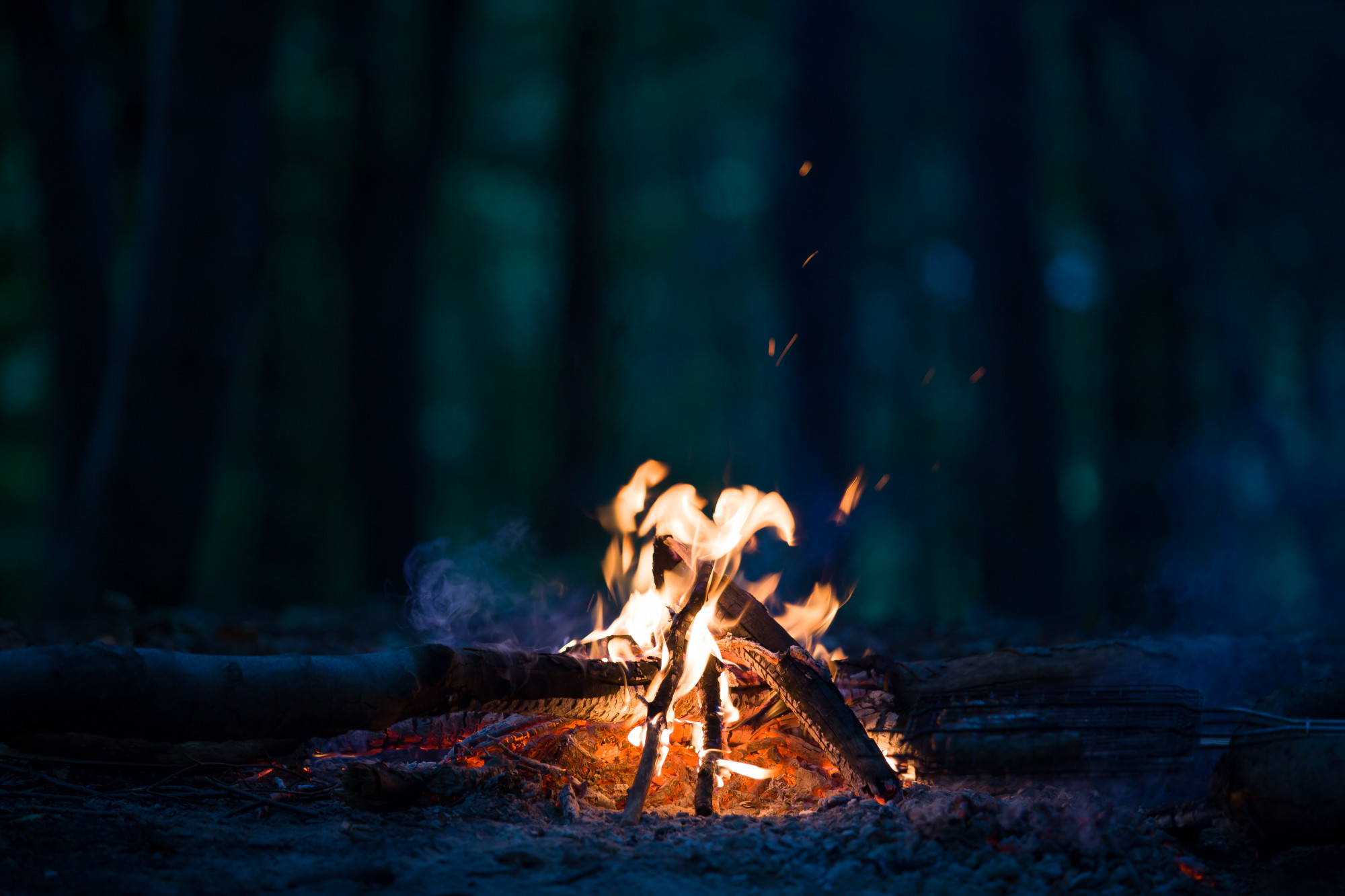
A fire pit is a designated area where fire can burn safely. Depending on its location and use, it can either be fixed or mobile. It also comes in several types and sizes. Some models are made of concrete, whereas others are made of stone. They’re suitable for both smaller terraces and large gardens where people want warmth during winter.
In today’s article, we’ll be sharing their different types, benefits, and how they actually work.
Let’s get started.
How Fire Pits Work
So, fire pits work by controlling how fuel mixes with oxygen to create combustion, flames, and heat.
In traditional wood-burning units, you place wood logs inside a pit and then ignite them. The cool air is drawn in naturally from the open top or side gaps to feed the fire. And since wood burns with varying amounts of oxygen, some gases escape unburned and appear as smoke.
If we talk about double-wall design, these units feature inner and outer walls with a hollow gap between them. The main fire is fueled by vents that pull cool air directly into the base.
Key Benefits of Fire Pits
A fire pit can easily turn your backyard/patio into a fully inviting space.
For example, you can get reliable heat during cold winter months or crisp autumn nights (and in other seasons as well). They also naturally draw family and friends together for conversation and socializing.
If you want to cook outdoors, a fire pit can provide an open-air cooking platform. Similarly, the pit casts a soft, flickering glow, which can enhance the mood and atmosphere of your outdoor space after dusk. It can even boost your home’s curb appeal by adding an eye-catching architectural centerpiece.
Types of Fire Pits
They’re categorized by the fuel they use and their design/installation style. For example, the fire bowls and rings are round, portable vessels that sit on the ground or a patio.
We then have fire pit tables. They are multifunctional furniture pieces with a built-in gas or propane burner, surrounded by a table ledge for dining. Next, the permanent fire pits are custom stone structures built into the hardscape.
We then have chimeneas. These are freestanding, front-loading vertical units with a small chimney that directs smoke up and away. Lastly, some architectural centerpieces combine a gas-burning fire base with a circulating water feature.
How to Use Them Safely
When using a fire pit, you need to follow certain safety guidelines to stay safe.
For example, you should place the pit at least 10-25 feet away from your home, sheds, or other structures that can catch fire. You should also set it on a non-flammable surface, such as concrete or brick.
Then, avoid burning on windy days, as strong gusts can carry sparks into nearby elements.
Then, always use dry hardwoods like oak or maple, as softwoods or painted plastic can make the flames escape. Lastly, stay with the fire until it is completely out, as embers can stay hot for hours and cause damage.