
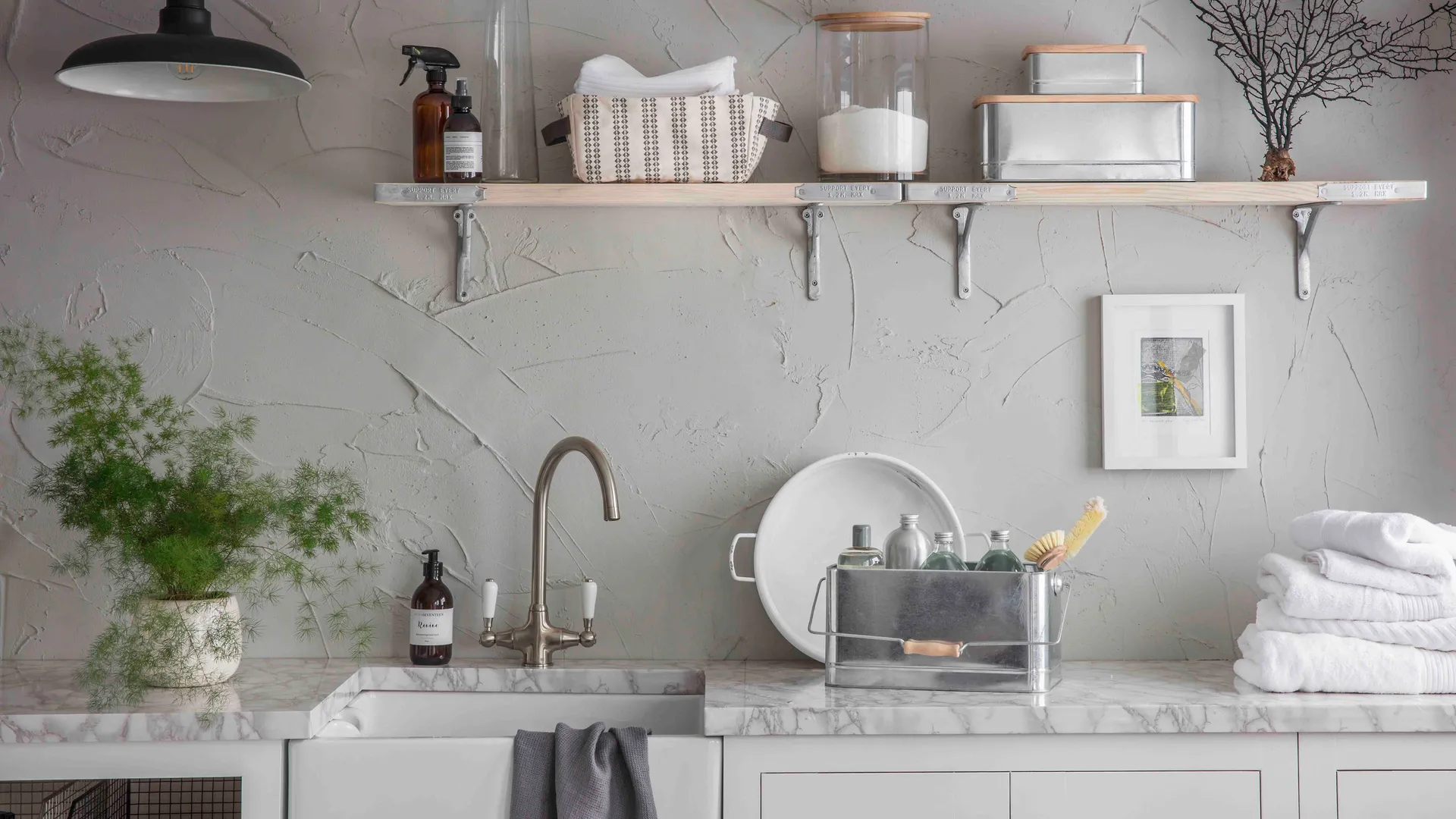
Outdoor utility areas collect the items a home needs but rarely wants on display. Electrical meters, trash bins, hose reels, HVAC equipment, recycling containers, and garden tools can coexist neatly when access and screening are planned together.
The goal isn’t to hide everything completely. It’s to make practical equipment easy to reach without letting it dominate the yard.
Group Compatible Functions Without Blocking Access
Start by identifying which items need frequent access and which require clear space around them. Trash bins may move weekly, while meters and mechanical equipment need occasional service access.
Keeping compatible functions near one another can reduce visual clutter. A utility strip beside a garage, service door, or side fence often works better than scattering equipment around the property.
When planning larger backyard features, reviewing exterior recreation layouts can also help keep service zones separated from areas intended for relaxation.
Use Screens That Can Still Be Opened or Removed
Solid permanent walls aren’t always the right choice. Slatted screens, hinged fence panels, freestanding trellises, and removable enclosures can soften views while preserving access.
Airflow is especially important around mechanical equipment. Never build decorative screening so tightly that it interferes with ventilation, drainage, or required service clearances.
Design inspiration from organized outdoor spaces can be useful when combining practical storage with a more finished residential look.
| Utility Item | Helpful Feature | Avoid |
|---|---|---|
| Trash bins | Wide gate | Narrow access path |
| Hose reel | Nearby drainable surface | Sharp hose bends |
| Meter | Clear service approach | Locked permanent enclosure |
| Equipment | Ventilated screening | Tight solid walls |
Give Hoses and Small Tools Defined Storage
A hose dropped beside a faucet quickly makes an otherwise tidy wall look unfinished. Wall-mounted reels, simple hangers, or hose pots give it a fixed home.
Garden tools can use the same principle. A narrow weather-resistant cabinet or covered tool rack keeps frequently used equipment close without turning the service area into an outdoor shed.
For homeowners making several practical property improvements at once, thinking in terms of home site organization can help prevent one utility solution from creating another problem elsewhere.
Build a Durable Ground Surface
Utility zones often receive more foot traffic than expected. Bins roll through them, wet hoses drag across them, and maintenance workers may carry heavy equipment through the space.
Pavers, gravel over a stable base, or a small concrete strip can be easier to maintain than grass. The surface should also drain away from walls and avoid creating standing water around mechanical or electrical equipment.
Leave enough working room
A screen may look attractive from the patio yet become a nuisance if technicians can’t reach what sits behind it. Check doors, access panels, gates, and service routes before fixing any enclosure permanently.
What People Often Get Wrong
Over-screening is one of the biggest mistakes in utility areas. Homeowners sometimes focus so strongly on hiding unattractive equipment that they make weekly chores or future repairs difficult.
Another mistake is combining unrelated functions without considering cleanliness. Trash storage beside gardening supplies, for example, may work physically but create odor or pest issues. Good utility design separates incompatible items while keeping the overall zone compact.
Frequently Asked Questions
How can outdoor trash bins be hidden without building a shed?
A simple slatted enclosure, fence return, hedge, or hinged screen can reduce visibility while keeping bins easy to roll out. Leave enough width for the largest container and account for lid clearance.
Is it safe to screen outdoor mechanical equipment?
Screening may be possible, but required airflow and service clearances must remain open. Follow manufacturer guidance and applicable local requirements rather than placing decorative panels tightly around mechanical equipment.
What is the best surface under an outdoor utility area?
A firm, drainable surface usually works better than bare soil or heavily trafficked grass. Gravel, pavers, or concrete can all work depending on equipment weight, drainage conditions, and the appearance you want.
Design for the Chores You Actually Do
Walk through a normal week before building an enclosure. Roll the bins out, unwind the hose, imagine a repair visit, and note every path that needs to stay open.
A good outdoor utility area doesn’t call attention to itself. It quietly makes routine household work faster, cleaner, and less intrusive.